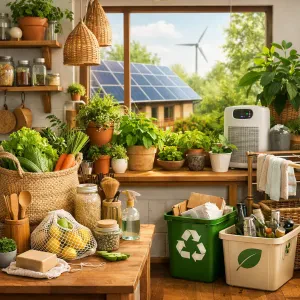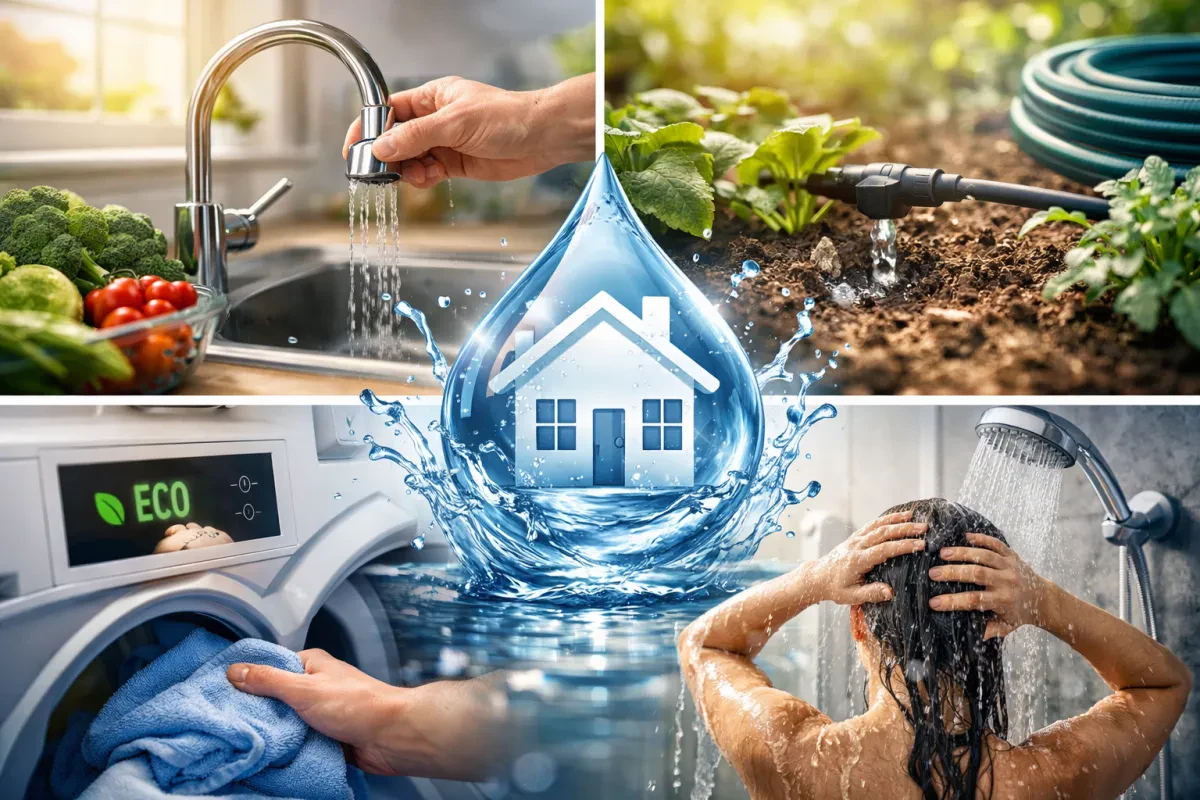
Want to do your part for the planet? Start by saving water when washing dishes. It’s easier than you might think! A few smart habits can really help, and you'll notice the difference on your water bill too.
First off, turn off the tap while scrubbing your dishes. It sounds simple, but many of us leave it running, wasting gallons. Fill one side of the sink with soapy water for washing and the other side with clean water for rinsing. If you don’t have a double sink, just use a large bowl for rinsing!
Another tip? Soak sticky cookware before washing. Letting them sit for a few minutes makes it easier to clean without wasting a lot of water. Plus, it cuts down on scrubbing time—who doesn’t love that?
Lastly, using a dishwasher? Great choice! Just make sure to run it only when it’s full. Modern dishwashers are designed to use less water than washing by hand, so you’re saving water at home while getting sparkling clean dishes. Now that’s a win-win!
Efficient Showering Techniques
Taking shorter showers is a simple way to start saving water at home. Aim for a quick rinse instead of a long steam session. You can also set a timer; even five minutes can make a big difference. Not only will you save water, but you'll also save on your energy bill!
Another trick? Turn off the water while you soap up. Many people leave the water running the whole time, but you can easily cut that out. Wet yourself, turn it off, lather up, and then rinse. This method can save gallons of water and still keep your shower relaxing.
Consider using a low-flow showerhead. They’re designed to maintain pressure while using less water. Most don’t even feel different from regular ones. Installing one is usually a quick job and can help you reduce your water usage without sacrificing comfort.
Lastly, think about keeping a bucket in the shower. Collect the initial cold water while you're waiting for it to heat up. You can use this water for your plants or even for flushing the toilet. This little change can help with saving water at home in unexpected ways.
Eco-Friendly Febreze Air Freshener for Home & Bathroom
Enjoy fresh, clean air without harmful chemicals in your home and bathroom
Product information
Click for price
Product Review Score
4.57 out of 5 stars
17 reviewsProduct links
Collect Rainwater for Your Garden
Collecting rainwater is not just a cool project; it’s a smart way to help keep your garden healthy while saving water at home. Mother Nature provides all that free water, so why not take advantage of it? With a rain barrel or two, you can capture rainwater directly from your roof. This way, you have a sustainable source of water ready for your plants when they need a drink.
Setting up a rainwater collection system is easier than you might think. Start by placing a rain barrel under a downspout to catch the runoff. Look for barrels with a spigot at the bottom for easy filling of watering cans or hoses. Some barrels even have screens to keep out leaves and mosquitoes, which is a big plus!
Using rainwater has tons of benefits. It’s free, eco-friendly, and helps reduce your water bill. Plus, rainwater is usually softer than tap water, making it gentler on your plants. Try to use it for watering your garden, washing outdoor items, or even filling up bird baths.
If you’re worried about storage or overflow, many rain barrels come with connectors to link multiple barrels together. This way, you can catch even more rain. Keep your barrels in a shady spot to minimize algae growth, and remember to check your barrels regularly to keep everything clean and running smoothly.
Large Soft Tie-Dyed Shag Area Rug for Home
Add a splash of color and comfort to your space with this plush, eco-friendly shag rug that's perfect for any room
Product information
$17.49
Product Review Score
4.13 out of 5 stars
154 reviewsProduct links
Mindful Watering for Plants
Giving your plants the right amount of water is key, and it’s a great way to tap into saving water at home. Overwatering not only wastes water but can also hurt your plants. So let’s dive into some mindful watering tips that keep both your plants and your water bill happy.
First off, consider the time of day you’re watering. Early morning or late afternoon is best because the sun isn’t blazing hot. This way, you minimize evaporation and make the most of every drop. Plus, your plants will absorb the water better during these cooler times.
If you have a garden, try using mulch around your plants. Mulch helps keep the soil moist, which means you won’t need to water as often. It also adds nutrients as it breaks down, giving your plants a nice boost. You can use things like straw, bark, or even grass clippings—whatever you have handy!
Don’t forget about collecting rainwater! Setting up a simple rain barrel can save a ton of water. When it rains, you gather that water for your plants. It’s easy, it’s free, and it’s perfect for saving water at home while giving your plants the hydration they crave.
Finally, keep an eye on your plants. They’ll tell you when they need water. Look for signs like drooping leaves or dry soil. Trust your instincts—your plants and your water bill will thank you!